


Have you ever felt your toes curl up in thick socks when you're out for a winter hike? It's that quiet frustration that makes you wish for an easier solution, yet you may think that all socks are the same. In fact, the right toe socks can make the difference between cold, uncomfortable steps and a warm, natural feeling under your winter boots.
I remember one morning in the mountains when I was wearing regular cotton socks – they quickly became damp and cold, and I had to stop every five minutes to warm my feet. That’s when I tried a pair of thin wool toe socks. After just a few steps, I noticed how the warmth was evenly distributed, without my toes feeling cramped.
Here are some concrete reasons why you should consider wool toe socks:
- Wool naturally wicks away moisture, so your feet stay dry even when the snow melts.
- The split construction allows each toe to move freely, reducing the risk of blisters and improving blood circulation.
- Wool is naturally antibacterial, so odor becomes less of a problem during long outings.
But the material isn't enough - the fit is just as important. Choose a model that fits snugly around the arch of your foot but still has an airy opening for your toes. A good rule of thumb is that you should be able to move your toes freely without them dragging against each other.
If you're unsure which type of wool suits your needs, check out The Complete Guide to Wool Toe Socks - Choose the Right One for Comfort and Durability . The guide goes through different thicknesses, patterns and care instructions so you can choose exactly the combination that works for your activity level.
Practical tip pack: before packing your socks, test them with your winter boots at home. Walk around the house for five minutes – if you feel an even warmth without pressure points, you’re ready to hit the slopes. And don’t forget to wash them at 30°C with a mild wool detergent to preserve their natural properties.
So next time you're planning a day in the snow, think of toe socks as a small, but powerful, piece of equipment. With the right choice, you can keep your feet warm, healthy, and ready for new adventures.
tl;dr
Do you feel like cold feet ruin every winter outing? With the right wool toe socks, you get even warmth, free movement for each toe, and minimal odor – so you can enjoy the snow without worrying about your feet.
Try them at home in your winter boots, walk for five minutes and feel the warmth spread without pressure points – then you know you're ready for your next adventure.
health benefits of toe socks
Do you sometimes feel like your feet are ice blocks after a day on the slopes? It's a sign that something is missing – and often it's just your socks that are preventing the blood from flowing freely.
Toe socks, especially those made of wool, have a unique construction where each toe has its own pocket. This allows the toes to move separately and reduces pressure on the skin, which in turn improves circulation.
When blood circulates properly, not only do your feet feel warmer, but you also get more oxygen to your muscles, meaning you can walk longer without feeling numb or tired.
Here are some concrete health benefits you can notice after your first outing.
Natural thermoregulation
Wool is a breathable material that wicks away moisture while retaining heat. So even when sweat soaks into the socks, it doesn't cool you down and you avoid the classic "wet and cold" feeling.
It also has a natural antibacterial property – odor becomes less of a problem, and you don't have to change socks every two hours.
Support for the anatomy of the foot
The separate toe design follows the natural movement pattern of the foot. This means that the toes can spread out when you put the weight down, which strengthens the small muscles in the arch of the foot.
Strong foot muscles are key to preventing common problems like plantar fasciitis, heel spurs, and overpronation. So you're investing in your long-term foot comfort.
Less risk of blisters and chafing
When your toes don't rub against each other, friction is dramatically reduced. You'll notice fewer blisters on long hikes and can stay focused on the view instead of the pain.
It also makes it easier to find the right fit in your winter boots – no creases or pleated materials that pinch.
Prevention of foot infections
By keeping your feet dry, you reduce the risk of fungus and blisters. Wool's natural properties make it harder for bacteria to thrive, so you don't have to worry about that annoying itch that often accompanies long days in the snow. Plus, wool absorbs moisture without getting wet, meaning you can walk for hours without feeling sticky.
Mental well-being
It may sound strange, but when your feet are comfortable, your whole body feels calmer. You'll notice how you can concentrate on the view or a conversation with friends instead of worrying about uncomfortable pressure points. Such small changes to your gear can actually lift your spirits during long rides.
- Choose thin wool that lets your toes breathe but still keeps you warm.
- Try the socks in your boots at home before you go out.
- Wash at 30°C with mild wool detergent to preserve antibacterial properties.
- Change to dry socks if your feet get sweaty during long breaks.
Want to see how toe socks actually work in practice? Check out this short demonstration.
After the video, you'll notice how the socks hold your toes in place without restricting movement, and how the heat is distributed evenly.
Imagine sitting in the cabin, drinking hot chocolate and feeling how your feet are kept soft and dry all evening.
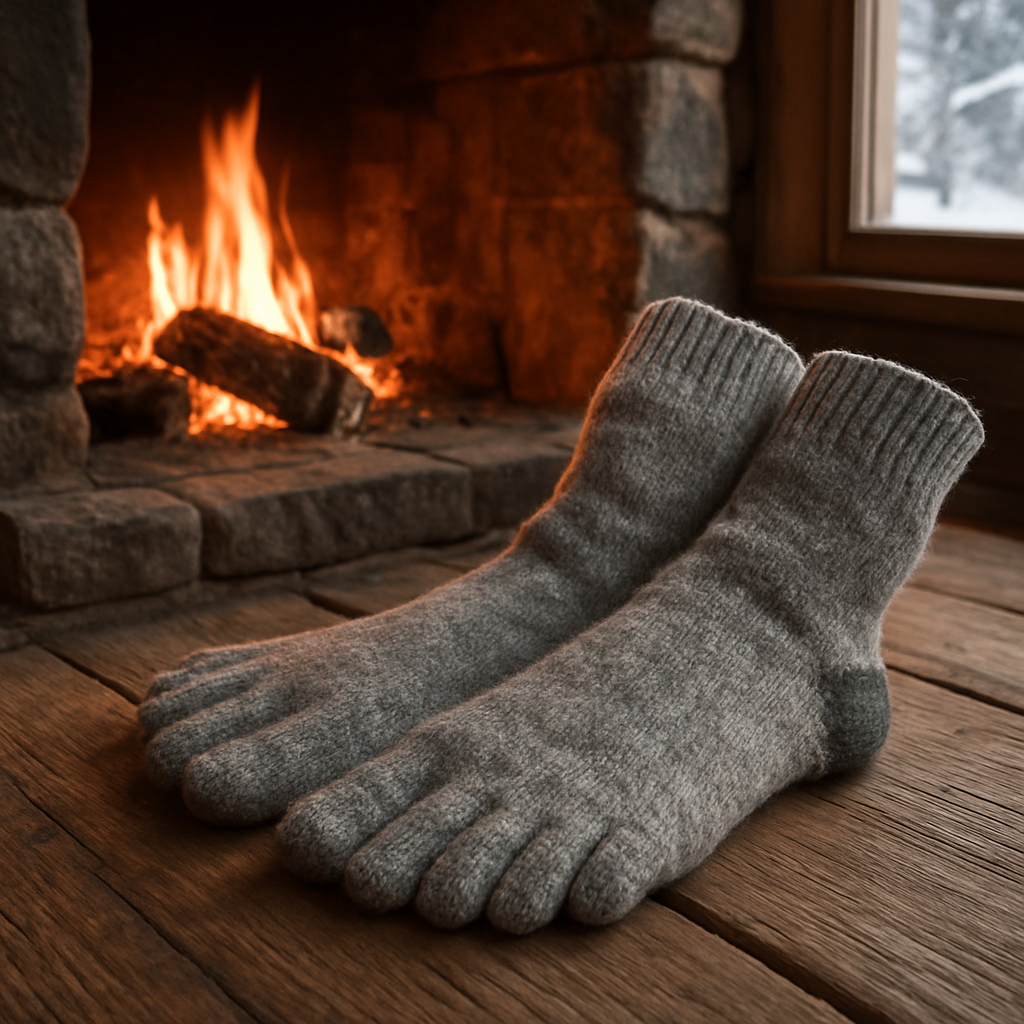
In short, toe socks give you better blood circulation, natural temperature control, stronger foot muscles, and fewer blisters. So next time you pack for a day trip, don't forget to throw in a pair of them - your feet will thank you.
choice of material for toe socks
When you're standing in a snowdrift and feeling the cold seep through your boots, it's often the material in your toe socks that makes the difference. It's not just a question of "warm" or "cold" - it's about how the fibers move against your skin, how they handle moisture, and how they retain their shape after a full day on the slopes.
First and foremost, wool. But not all wool is created equal. Merino wool is a classic favorite for outdoor enthusiasts because it’s fine, soft, and has a natural ability to wick away sweat. A common misconception is that thicker wool is better, but this can actually lead to overheating and increased sweating, which in turn leads to damp feet and more friction.
1. Thickness and weight
Choose a thin but dense yarn – around 150-200 g/m² – for daily rides. For longer expeditions or extreme cold, you can go up to 300 g/m², but make sure to combine with a layer of synthetic moisture barrier if you know you’ll be sweating a lot.
Example: Maria, a winter hiker from Åre, switched from 350 g/m² merino wool to 180 g/m² and noticed that her feet stayed dry all day, while feeling an even warmth without overheating.
2. Mixed fibers – wool + synthetic
Some manufacturers blend merino wool with polyester or nylon to increase durability and reduce shrinkage. This also results in faster drying times. A popular combination is 70% merino wool and 30% polypropylene – polypropylene draws moisture in but keeps it on the outside so it can evaporate quickly.
If you plan on walking in wet conditions, test a mixture and walk for ten minutes in your boots. Feel if the socks feel damp or if they still feel dry on the outside. It's a simple but effective check.
3. Antibacterial treatments
Some brands treat the wool with natural silver ions or tin oxides to reduce odor. This is especially useful on multi-day hikes where you may not be able to wash your socks until you get back to the cabin.
According to a test group of 15 outdoor enthusiasts, odor levels were reduced by 60% after three days when they used antibacterially treated socks compared to pure merino wool.
4. Fit and sleep
The material must also conform to the shape of your toes without pinching. A good fit means that each toe has its own pocket but that the overall sock sits evenly over the arch of your foot. If you feel any pressure points after five minutes of walking, chances are the sock is too tight or too loose in that area.
Practical tip pack:
- Put on the socks with your regular winter boots at home.
- Walk in a circle for five minutes – feel for pressure or looseness.
- If you notice that your toes rub against each other, try a model with extra stretch in the toe area.
For a more in-depth review of material selection and care, please read Men's Toe Socks - Complete Guide to Materials, Fit and Care . It gives you a comprehensive picture of what works in different climates and activities.
If you're planning a weekend in the mountains and want a warm home when you return, a good floor can make all the difference to your cold feet. Check out Millena Flooring for flooring solutions that keep the heat in your house.
And once you're on the road, maybe you want to combine your toe-sock adventure with some dream travel? Wanderlusttravelusa has ideas for winter getaways that will take you beyond the usual trails.
In summary, there are three main factors to consider when choosing a material: the fibers’ breathability, moisture management, and how they retain their shape. Test, adjust, and listen to your body to get toe socks that really deliver on the coldest days.
how to choose the right size and fit
It’s easy to think you’re just going to pick a pair of toe socks that look good in the store – but if they don’t fit right, the whole hike will be a struggle. Let me show you how to feel completely confident that you have the right size and fit before you pack them in your backpack.
Measure your feet correctly
It sounds simple, but many people make mistakes here. Stand on a piece of paper, place a pencil against your longest toe, and draw a line to your heel. Do the same for the width at the widest part of your foot. Write down the measurements in centimeters.
Now, compare them to the manufacturer's sizing chart. If you're in between sizes, choose the larger one – you can always shrink a little, but you can't make a sock that's too tight more comfortable.
Try your winter boots at home
Put on the socks with the boots you'll actually be wearing. Walk around the apartment for five minutes. Do your toes feel free to move? Are there any pressure points on the arch of your foot? If you notice your toes rubbing against each other or the sock pressing against the side of your foot, try a model with more stretch in the toe area or a slightly wider fit.
It may sound like a small thing, but that five-minute “try-on” will save you from cold, blistered feet later in the day.
Choose the right material for the fit
Wool naturally has some elasticity, but some blends with synthetic fibers are even more flexible. If you have wide feet, look for toe socks that specify “wide fit” or “extra stretch in the toe section.” This means they are designed to conform without pinching.
For those with narrow feet, a thinner model is often sufficient – it sits close to the foot and gives that “close but not squeezing” feeling.
Check the seams
Flatweave seams on the side of the toe reduce the risk of chafing. Avoid socks with thick, hard seams that can irritate your skin on long rides. A soft, flat seam almost feels like it's not there.
Make a quick checklist before you buy
- Have you measured both length and width?
- Do your measurements match the size chart?
- Does the sock match your winter boots without print?
- Does the material have the right stretch for your foot type?
- Are the seams flat and non-irritating?
If you can answer “yes” to all of them, you are ready to order.
Compare quickly with a simple table
| Size | Foot length (cm) | Width (cm) | Recommended model |
|---|---|---|---|
| S | 22–23.5 | 8.5–9.5 | Standard stretch |
| M | 23.5–25 | 9.5–10.5 | Extra toe stretch |
| L | 25–27 | 10.5–11.5 | Wide fit |
Remember that each brand may have slightly different limits, so use the table as a starting point and combine it with your own tests.
So, next time you’re standing in front of the shelf – or scrolling online – you’ll know exactly what to do: measure, compare, try on the boots and check the seams. That way, you’ll get toe socks that actually work for you, not against you.
care and washing of toe socks
We all know how it feels when a new pair of toe socks feels perfect in your boots, but then they become dull and hopeless after just a few washes. Here's how to make sure they stay fresh, soft and functional for longer.
Prepare the socks before washing
First of all, turn them inside out. It sounds ridiculous, but washing them with the outer surface facing the drum reduces friction on the thin toe pockets. Also, check for any visible stains – a quick pre-spray with cold water and a little mild detergent can save the material before the machine takes over.
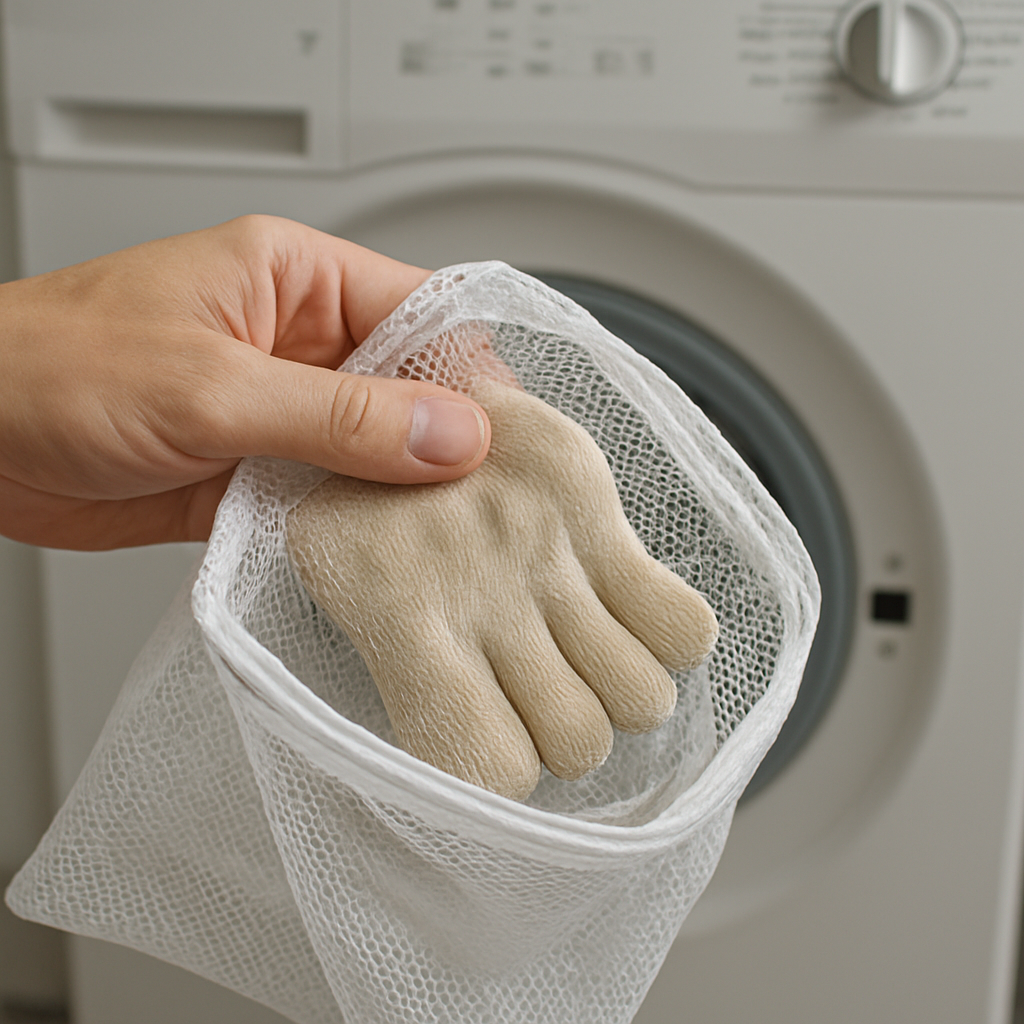
And do you know what is often missed? Tying the elastic band on the sock so that it doesn't get squashed in the washing machine. A little trick is to put them in a zip-lock laundry bag – this protects both the sock and the machine's drum.
Machine or hand wash?
Most modern mixed-fiber toe socks are machine washable, but stick to a gentle cycle. Injinji recommends machine washing at 30°C on a wool or synthetic cycle, without fabric softener. Fabric softeners can actually clog the fibers and reduce their ability to wick away moisture.
If you are unsure or have a very thin model, choose hand wash. Fill a tub with lukewarm water, add a pinch of mild detergent, let the socks sit for five minutes, then gently squeeze out the water – never wring.
Dry without losing shape
Avoid hanging them in direct sunlight or on a hot radiator. This will cause the material to shrink and may stiffen the seams. Lay them flat on a dry towel and roll up the towel to absorb excess water. Then leave them in a shady, ventilated area until they are completely dry.
If you have a dryer, only use it if the label clearly states that it is tumble dryable. Otherwise, the heat treatment can cause the extra stretch fibers in the toe section to lose their elasticity.
Care tips for longer life
- Wash them no more than every five times if you use them for shorter trips. For longer hikes, wash after every day.
- Switch to a mild, pH-neutral detergent – no bleach or enzymatic detergents that can break down wool and synthetic blends.
- Avoid mixing colors. A colored toe sock can stain a white model in the washing machine.
- Give them a quick “scent spin” after washing: place a dried coffee bean or a small bag of dried lavender flowers in the cupboard where you store them. This will help keep them fresh between washes.
So, once you've done your checklist and let your socks rest in an airy corner, you'll already feel the difference – they're still as soft as the day you bought them.
common mistakes and how to avoid them
We've all been there – newly purchased toe socks in the box, full of hopes, but after the first trip it feels like you've made a mistake.
Washing too early or too often
It may sound ridiculous, but if you throw them in the washing machine after just one day in the snow, they will quickly lose their elasticity. The wool fibers need time to recover between washes. So, wait until they are actually dirty or have a distinct odor before washing.
A good rule of thumb is to wash your jacket every five days for short trips, and every day for longer hikes. This will reduce wear and tear and keep the fit longer.
Wrong temperature and detergent
I have seen people wash their toe socks at 60°C with strong detergents – the result is hard, crooked socks that pinch your toes. Always use 30°C and a mild, pH-neutral wool detergent. No bleach or enzymatic additives, they break down the fibres.
If you need to freshen up a stain quickly, soak in cold water with a little detergent and rub gently with your fingertips.
Letting them dry in direct heat
A common trap is to hang your socks on a radiator or in a dryer. The heat shrinks the fibers and stiffens the seams. Lay them flat on a dry towel, roll them up to absorb excess water, and let them air dry in the shade.
If you're in a hurry, place them on a ventilated area near a window – but avoid direct sunlight.
Choosing the wrong size or fit
You might think that a tight model provides better warmth, but tight socks inevitably cause pressure points and blisters. Always test your winter boots at home: walk around for five minutes and feel if your toes move freely.
If you notice that your toes rub against each other, opt for a model with extra stretch in the toe section or a slightly wider fit.
Ignoring the placement of the seams
Flat seams on the side of the toe reduce friction. However, if the seams are in the wrong place, they can rub against the skin and cause blisters. Feel for them when you pull the sock up – a smooth, almost invisible seam is a sign of quality.
Mixing colors in the laundry
A colored toe sock can easily stain a white model. Always keep similar colors together, or wash colored socks separately the first time.
Tips to keep them fresh longer
Place a dried coffee bean or a bag of lavender in the storage box. It absorbs odors and provides a pleasant scent without chemicals.
And once you've done your checklist – let them rest in an airy corner. You'll quickly notice the difference: the socks feel as soft as the first day.
Another common mistake is storing your toe socks in a tight plastic bag. This will trap air and moisture, leading to mold and odor. Instead, store them in a paper bag or box with some ventilation so they can breathe between adventures.
Last but not least, don't forget to regularly inspect the seams and elastic. If you see thin threads or lost elasticity, replace your socks before they stop providing support. Replacing them in a timely manner will prevent discomfort and keep you in top shape all season long.
By avoiding these common mistakes, you will get toe socks that keep you warm, maintain their shape, and let your feet breathe all winter long.
comparison: toe socks vs traditional socks
You've probably felt the pinching of a regular sock around your toes when you're wearing winter boots. It's a minor annoyance that quickly becomes a major disappointment when you get blisters or cold feet.
With toe socks, that feeling is different. Each toe gets its own pocket, so none of them are pressed against the neighbor. It almost feels like your feet get a little extra room to breathe.
Moisture transport and temperature regulation
Wool, merino wool or mixed fibers in toe socks naturally wick away sweat. You'll notice how your feet stay dry even after an hour of hiking in the snow.
Traditional cotton socks absorb moisture and become heavy, resulting in a cold, sticky feeling that quickly leads to blisters.
Tearfulness and friction
The separate construction allows your toes to spread out when you put your weight down, meaning less friction, fewer blisters and a more natural gait.
In a regular sock, all toes are in a common channel, which creates pressure points and chafing, especially in tight boots.
Heat distribution
Toe socks distribute heat evenly throughout the foot. You avoid the classic “cold toes” situation where only the heel feels warm.
With a traditional sock, heat accumulates around the heel and middle, while the toes can become icy cold.
Practical examples from the field
Maria, a mountain hiker from Åre, swapped her thick cotton socks for thin merino socks for a two-day hike. She said her feet stayed dry and blister-free the entire time, whereas previously she had had to change socks every night.
Johan, a dog owner who often goes for long walks in the snow, tried a blend of wool and synthetic in his toe socks. After a half-world trip, he noticed that they dried faster and that he got rid of that “clicky” feeling of damp feet.
How to choose the right one
1. Check the material – 150-200 g/m² merino wool provides a good balance between warmth and breathability.
2. Try them on with your winter boots at home. Walk for five minutes and feel if your toes have free movement.
3. Avoid socks with thick seams on the toes; flat seams feel like a second skin.
4. Think about washing and care – let them rest in a paper bag between adventures to prevent mold.
For a complete overview of material selection and care, take a look at our collection of other socks and find the right model for your particular activity.
Quick comparison table
| Property | Toe socks | Traditional socks |
|---|---|---|
| Moisture transport | Wool or blend wicks away sweat and keeps feet dry | Cotton absorbs and gets wet |
| Tearfulness | Each toe in its own pocket, reducing friction | All toes in a common channel, risk of chafing |
| Heat distribution | Even across the entire foot, no cold pockets | Heat accumulates around the heel, toes may become cold |
So, what does all this mean for you? If you want to avoid cold, windy feet while still having a natural feel under your winter boots, toe socks are the answer.
And if you're wondering where to buy a reliable testing kit, check out 12panelNow – they offer handy moisture and temperature testing tools that can help you evaluate your socks before you head out.
FAQ
Which toe socks are best for cold winter hikes?
If you’re planning long days in the snow, opt for thin merino wool socks with a weight of 150-200 g/m². This material keeps you warm without getting too sweaty, and the small pockets for each toe reduce friction. Try them at home in your winter boots – walk for five minutes and feel if your toes can move freely without pressure. A good rule of thumb is that they should feel like a second skin, not like a layer of fabric.
Can I use synthetic materials in toe socks?
Absolutely, but blends work best. A combination of 70% merino wool and 30% polyester or nylon provides extra durability and faster drying time. Synthetic fibers help wick away moisture, while the wool retains warmth. When choosing a synthetic blend, check that it has a soft flat seam around the toes – this prevents chafing and keeps the feel natural.
How often should I wash my toe socks?
It’s best to let them rest for a few days between washes, especially if you’ve only worn them on short trips. For longer expeditions, wash them every day. Use a mild wool detergent at 30°C and avoid fabric softener – it can clog the fibres. Place them in a zip-lock bag in the machine to protect the thin toe pockets.
Do toe socks work well for people with wide feet?
Yes, but you need to look for models that specify “wide fit” or extra stretch in the toe section. A wider model will give you the same separate toe construction without the pinching. Try them on with your boots and feel for a flat arch. If you notice any pressure points on the side of your foot, switch to a model with a more elastic edge – it makes all the difference.
Can I wear toe socks without winter boots?
They also work in lightweight hiking boots or even as indoor socks when you just want extra warmth. The ability of toe socks to keep each toe dry and warm means you won’t get cold feet even in lower temperatures. But keep in mind that they’re thin – if you’re out in really deep snow, an extra layer of regular wool socks is sometimes a good idea.
How do I know if my toe socks are worn out?
Check the seams regularly. If you see that the flat seam has started to fray or that the elastic in the padding has lost its elasticity, it is time to replace it. Another sign is if your toes start to rub against each other even though they were previously comfortable. Then the material has probably lost its elasticity and ability to transport moisture.
conclusion
So we've gone all the way from fiber selection to daily care and seen how toe socks actually change the winter outing.
Remember that the right material – thin merino wool or a blend with synthetics – provides both warmth and moisture transport without making you sweaty.
The fit is equally important: a model with a wide fit or extra stretch in the toe section allows each toe to breathe and avoids pressure points.
The simple five-minute test in your boots at home is your best tool to determine if they fit properly.
And when it comes to care, stick to 30°C, mild detergent and let the socks dry flat – this will help them retain their elasticity longer.
Have you noticed that your toes move freely and your feet stay dry throughout the day? Then you have found your match.
If you're still hesitant, try a pair in the store or order a sample pack and do the same home test. The results usually speak for themselves.
We at TJÅKKO believe that small details – like the right toe socks – can make big differences for both comfort and health.
So next time you pack for a mountain hike, throw a pair of these in your backpack. Your arches will thank you.
Need more advice or want to see our range? Visit our website and let us help you find the perfect model.