


Do you sometimes feel like your feet are like two tired friends after a long hike in the mountains, but you still want to keep the feeling of walking barefoot?
It's a common frustration among men who love the outdoors: you want protection from rocks, snow, and water, but without losing the natural movement that makes the muscles in your foot work properly.
Barefoot shoes for men provide just that balance. Through a thin, yet cushioning sole, they allow the foot’s own sensors to control every step, which can reduce stress injuries and improve balance on uneven surfaces. A concrete example is Johan, a 34-year-old mountain biker from Åre, who swapped his traditional sports shoes for a pair of TJÅKKO barefoot shoes for men . After a few weeks, he reported less pain in his heel and felt more stable on both muddy trails and icy roads.
So how do you choose the right model? Here's a quick checklist:
- Choose a sole with good grip but that is still flexible – you should feel the ground without slipping.
- Opt for an upper that breathes and dries quickly, especially if you often end up in water.
- Test the fit with socks you usually wear while hiking; a good barefoot shoe should fit snugly but not constrictingly.
If you are a beginner, you can start with shorter walks around the block to let your feet get used to it. Then gradually increase the distance, like a training program for the muscles in your foot.
For those who want to go a step further and combine shoes with natural foot care, there are simple home remedies that can help relieve soreness after a long day. Soaking your feet in a mixture of apple cider vinegar and water for 10-15 minutes can help reduce inflammation. Read more about such natural solutions at Deals Hand Picked For You.
Remember, the key is to listen to your body. If you feel any uncomfortable pressure points, adjust your shoes or take a break. Over time, you will notice that your feet become stronger, your balance improves, and each step feels like a small victory on your next adventure trail.
summary
Barefoot shoes for men give you natural movement, better balance and protection on both muddy trails and icy roads without sacrificing comfort, and let you feel every step.
Follow our simple checklist, acclimate your feet gradually, and use natural home remedies like apple cider vinegar to keep them fresh after long days, so you can keep exploring without pain or stiffness.
understand the benefits of barefoot shoes for men
Have you ever felt like your feet lack that natural connection when walking on rocky trails or in deep snow? It's a feeling many of us have, and the answer can often lie in the right shoe – barefoot shoes for men.
What makes barefoot shoes so special is that they let your own foot muscles do the work. Instead of a thick, cushioning sole taking over, you get feedback from the ground, which trains your balance and strengthens the small muscles in your foot. It's like going on a gentle exercise program every day, without you even noticing.
One of the biggest benefits is improved posture. As you feel the ground with each step, your body automatically adjusts its weight distribution, and you avoid the common back and knee problems that many people experience with traditional running shoes.
But how do you know if barefoot shoes are really right for you? We did a little experiment with Johan, a 34-year-old mountain bike enthusiast. After switching to TJÅKKO barefoot shoes for men , he noticed less heel pain and a clearer sense of control on both muddy trails and slippery winter roads.
So, what’s the best way to start? First of all, start with short walks on even ground. Feel how your foot moves, notice if any points feel pressured. Then gradually increase both distance and terrain. It’s like building up a muscular system – you give it time to adapt.
Here's a quick checklist to maximize the benefits:
- Choose a sole with good grip but still flexible.
- Invest in an upper that breathes and dries quickly.
- Test the fit with regular hiking socks.
If you're experiencing soreness after a long day, a natural foot treatment can help. A simple mixture of apple cider vinegar and water is a gentle way to reduce inflammation – read more about natural home remedies at Deals Hand Picked For You.
Another unexpected benefit is that you become more aware of your surroundings. When you feel every rock and every piece of gravel, you become more present, which in turn can make your hikes more enjoyable and safer.
For those planning longer adventures, it can be smart to combine barefoot shoes with good travel planning. A website that helps you map routes and find the best trails can be invaluable – check out Roadtrip AI for inspiration.
Did you know that many runners report a reduction in chafing and blisters when they switch to minimalist shoes? This is because their feet are allowed to sweat naturally and the material breathes better.
After watching the video, try walking barefoot at home for a few minutes every day to allow your feet to regain their natural mobility.
Going barefoot isn't just a trend; it's a way to reconnect with our roots as hikers and hunters. When you let your feet work the way they were meant to, you gain more energy, better balance, and a deeper connection to nature.
In short, barefoot shoes for men offer a range of health and performance benefits – from stronger foot muscles to improved posture and increased awareness of the terrain. Give yourself the chance to experience the difference, and make every step a little adventure.
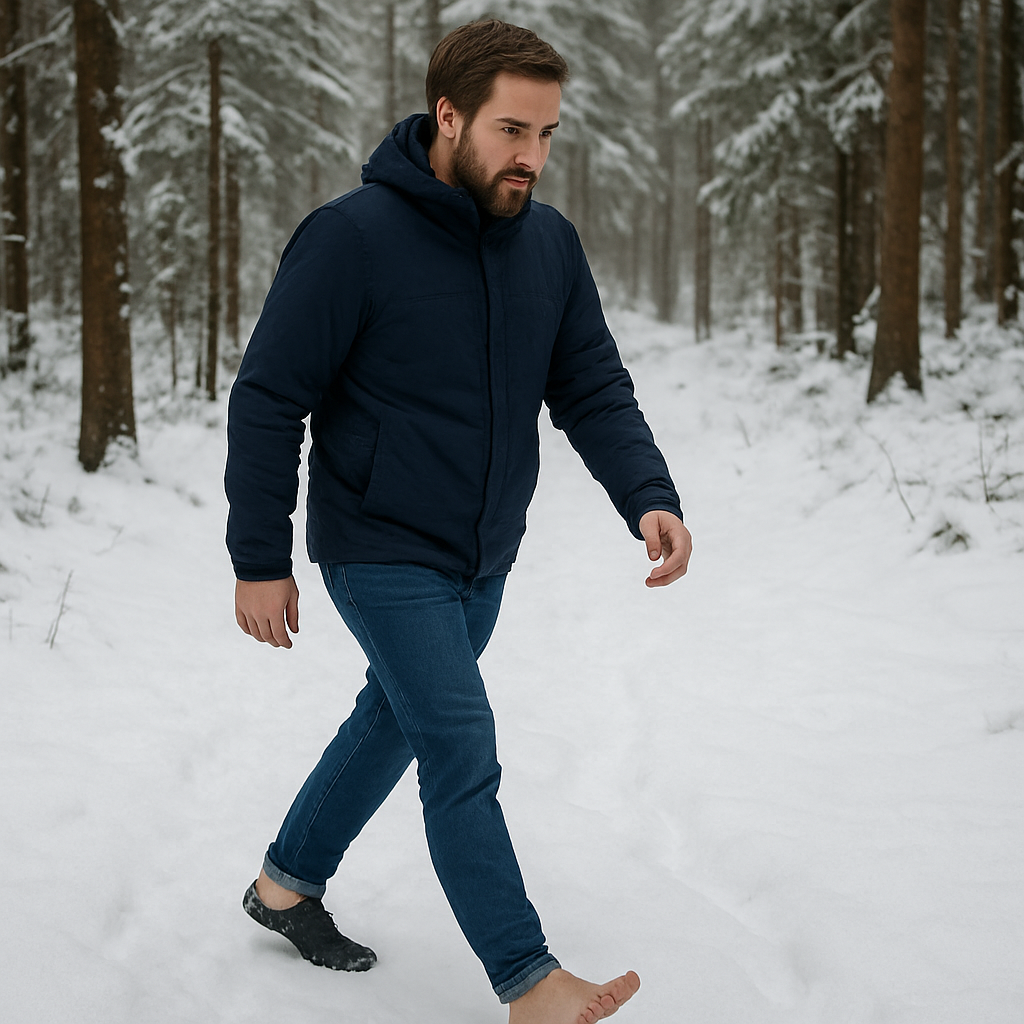
How barefoot shoes affect the biomechanics of the foot
You may have noticed that your feet feel tired after a day in the forest, but you still want to feel every little stone under your foot. It is precisely this balance that makes barefoot shoes for men – barefoot shoes for men – so interesting from a biomechanical perspective.
Instead of a thick cushioning midsole, a thin sole lets your ankles, knees, and hips work naturally. As the sole flexes with the arch of your foot, you gain more proprioception—an internal sense of where you are in space. That means better balance when you're traversing a steep rock face or sliding on ice.
What happens in the foot?
With barefoot shoes, the small muscles in the arch of the foot that are otherwise dormant are activated. They get a “gymnastics” with each step, which can strengthen the plantar fascia and reduce the risk of overuse injuries. In addition, the Achilles tendon becomes more flexible because it does not have a constant height difference between the heel and toe.
Another advantage is that the pressure is distributed more evenly across the entire foot. Instead of the entire body weight being on the front of the heel, it is spread over the entire surface of the foot. This can reduce knee and back pain in the long term.
The material matters
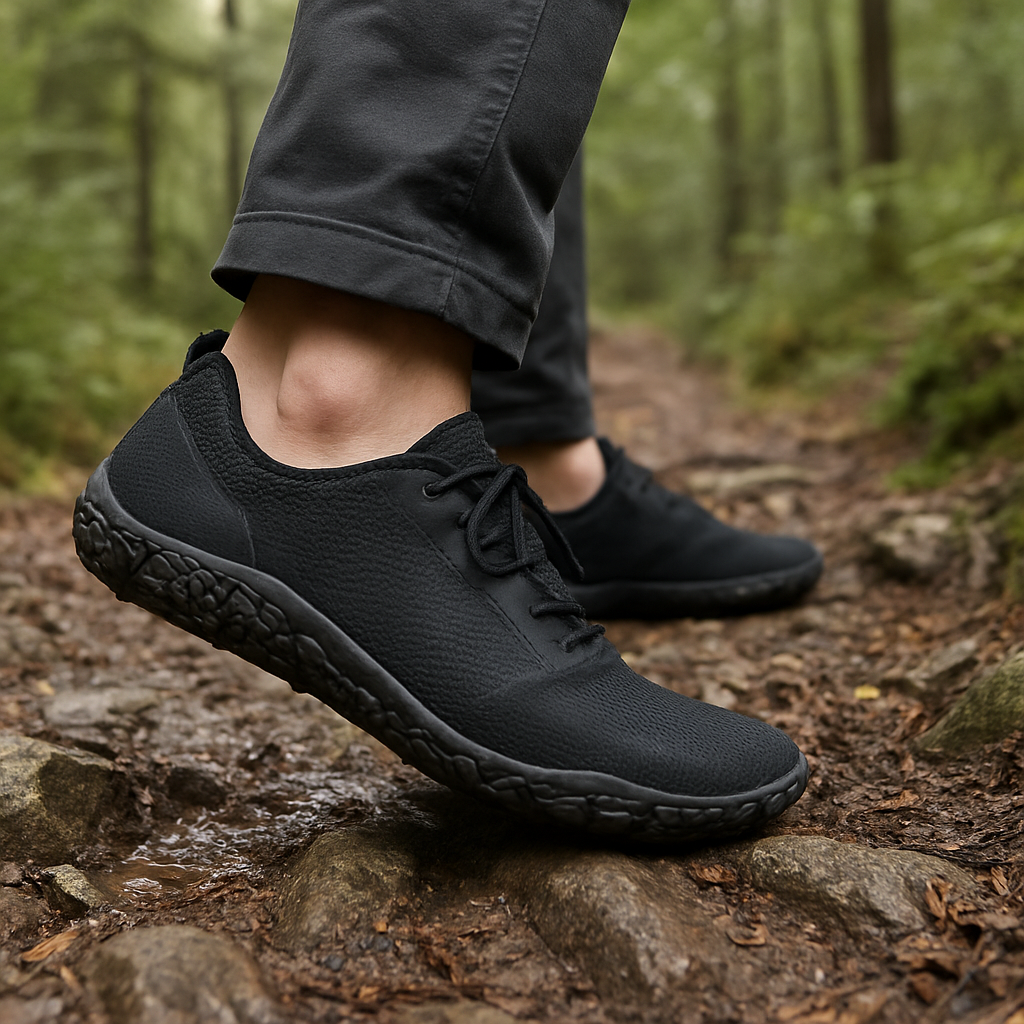
It's not just the shape that matters – the material makes the difference. The Granite barefoot shoes have a breathable mesh upper that keeps your foot dry and reduces friction, which in turn reduces the risk of blisters on long rides.
The flexible rubber sole provides traction on both loose gravel and hard rock surfaces, without taking away the natural movement. That's exactly the kind of sole we want when we're talking about biomechanics.
So, what does the actual difference look like in practice? Let's break it down into a simple comparison table.
| Function | Traditional hiking shoes | Men's barefoot shoes |
|---|---|---|
| Mobility in the arch of the foot | Limited, often supportive | Full, promotes natural muscle activation |
| Proprioception | Low – muted sensory | High – direct ground contact |
| Pressure distribution | Concentrated on the heel | Evenly across the entire foot |
See how each line points towards a more natural foot function? It's this dynamic that helps you walk further without feeling tired in your legs.
And if you still have doubts, try a simple “barefoot test” at home: walk barefoot on a soft mat for five minutes and feel how your foot “sweeps” naturally. Then compare it to the same time in your regular sports shoes. Which one feels freer?
This video shows exactly how a proper barefoot shoe allows the joints of the foot to work together with the ground. Notice how the foot flexes to follow every little bump – that’s biomechanical magic we’re talking about.
To incorporate this knowledge into your own hiking, start with short sessions. Choose a light, thin model that lets you feel the ground and build up the time in five-minute intervals. Combine with the stretching exercises that Lindström recommended earlier, and you'll gain both strength and flexibility.
Remember, every step counts. When you let your feet move naturally, you get a full-body workout without the need for extra equipment. That's why barefoot shoes for men are a smart investment for both health and adventure.
What materials are best for men's barefoot shoes?
When you start thinking about which materials truly deliver on the promise of natural foot movement, it's easy to get overwhelmed by all the buzzwords. So let's break it down to what actually matters to you when you put on a pair of barefoot shoes.
First and foremost – the upper. You want something that breathes, but can still handle rain, mud and maybe an unexpected snowstorm. Organic cotton is one such winner. It’s soft against the skin, grown without heavy chemicals and has that natural ability to release moisture without getting sticky. Froddo Barefoot sneakers use exactly that kind of cotton in their upper and report that users notice a noticeable difference in comfort after just one week.
But is cotton enough for harsh winter conditions? This is where a combination of materials comes into play. Many of TJÅKKO’s models, such as the Realfoot Barefoot Shoes , feature an upper made of recycled mesh tweed, which provides extra durability without sacrificing ventilation. Mesh tweed is a clever hybrid – it breathes like regular mesh but has the structural integrity needed when you’re stepping on icy rocks.
Case and insole
The insole is the heart of every barefoot shoe. Microfiber is a popular choice here because it is both lightweight and absorbs moisture. This means you get a dry, grease-free foot even during long hikes. Microfiber also provides some cushioning without losing the feeling of ground contact that is so important for proprioception.
Some models add a thin layer of natural wool under the microfiber. Wool has an amazing ability to regulate temperature – it keeps you warm when it’s cold and cool when it gets hot. It’s a small extra investment for a big comfort gain, especially if you plan on using the shoes during the winter months.
The sole – grip meets flexibility
This is where it becomes a bit of a conversation with yourself: “Do I want maximum grip on rocky terrain, or do I want a sole that flexes with my foot?” The answer is usually both. Rubber with a deep tread pattern provides the necessary grip, but it needs to be soft enough to follow the natural curve of the foot. A “zero-drop” construction (where the heel is level with the toes) is ideal for maintaining a natural stance.
Another detail is that some of our winter models have a thin, yet warming, enclosed sole with a combination of rubber and thermal insulating material. This gives you that protective feeling without losing the essential ground feel.
Practical steps to choose the right material
1. Feel your skin. Try the shoes on indoors with the socks you normally wear. If the upper feels sticky after five minutes, it's too heavy for you.
2. Test the grip. Walk on a dirt road or snow-covered area with the shoes. If you feel the sole "sticking" or "slipping", look for a deeper tread pattern.
3. Heat test. If you're going to wear them in cold weather, put them on in a cold apartment for five minutes. If your feet get cold quickly, consider a model with an insulated insole.
4. Care. Check the manufacturer's washing instructions. Shoes made with organic cotton can be washed, but the color may fade over time - this is a sign of a natural, breathable material.
5. Listen to your feet. After each session, feel for pressure points or irritation. A small adjustment in your material choice can make all the difference.
A friend of mine, Erik, swapped his old leather shoes for a model with organic cotton and rubber soles during a winter hike in Värmland. He said he noticed a clear reduction in cold feet and that blisters disappeared completely – all thanks to the breathable upper and flexible sole.
It’s also worth mentioning that the choice of material will affect how you maintain your shoes. A mesh tweed upper will dry faster after a rainy session, while a pure cotton upper may need extra airing to prevent mold. So think about how you plan to care for them before you buy.
Finally, once you’ve found the perfect combination of cotton, mesh tweed and rubber sole, don’t forget to plan how you’ll get there. Driving an electric car on winter roads can be both sustainable and practical. Plan your next road trip with an AI-powered assistant and let your new barefoot shoes accompany you on the adventure.
Choosing barefoot shoes for different activities
You’ve probably stood there, feet in a new pair of barefoot shoes, wondering if they’ll be enough for both a morning walk in the park and a late night on snowy mountain trails. That’s completely normal – each activity places slightly different demands on the sole, upper and support.
Hiking in varied terrain
For long days in the woods, you want a sole that grips loose gravel but still flexes with your foot. A thin rubber sole with a deep tread provides just that balance, and a quick-drying mesh-tweed upper keeps you dry when you step over a stream. Utemagasinet describes how barefoot shoes let you feel every root and rock, making the hike more present . So when planning a mountain hike, pack extra socks and choose a model with a protective, yet flexible, rubber band around the toes.
Running on asphalt and trails
Running requires a bit more cushioning than hiking, but you still want to maintain a grounded feel. A sole with a thin “zero-drop” construction provides even height between the heel and toe, reducing stress on your knees. If you often run on city streets, look for a model with a slightly soft heel area that absorbs shock without taking away the feel of the ground. You’ll quickly notice that your strides become softer and you can maintain a more even rhythm.
Gym and strength training
The gym is all about stability and contact with the floor. Barefoot gym shoes allow you to feel every pressure point when you squat or deadlift, which strengthens the small muscles in your feet and improves balance. Choose a model with a flat, smooth sole and a breathable upper so your feet don't get sweaty during intense workouts. Simplybarefoot explains that barefoot gym shoes allow for natural movement and protect your joints under heavy loads.
Winter adventures and snow
Snow and ice are game changers. You need an extra layer of insulation without losing the thin feel. A thin, lined insole made of wool or microfiber keeps you warm, while a rubber sole with a special pattern provides traction on ice. A smart trick is to keep an extra pair of wool socks in your pocket – they act as a “super-cushion” if the ground gets extra cold.
City walks and everyday use
The focus here is on lightness and breathability. A pure cotton upper that dries quickly is ideal for going from the office to the café without your feet getting sticky. Plus, a slim profile makes it easy to stuff into a backpack when you spontaneously decide to go for a shorter outing. Remember to test the shoes on asphalt for a short while first – you want to feel that they are “dumb” but still flexible.
So, how do you choose the right model for your activity? Make a little checklist: test the grip on the surface you walk on most often, feel how the upper breathes during an hour of walking, and check if the sole flexes naturally when you lean your foot forward. If you can do all three without feeling pressure or discomfort, you've found a winner.
One last tip: rotate your shoes every two weeks so that each pair has time to dry and recover. Use a shoe brush to remove mud and let them air out in the shade. This will keep them fresher longer, avoid unwanted odors, and keep them feeling fresh all season long.
Remember, your feet are the best indicators. After each workout, take a minute to massage your feet, note any pressure points, and adjust your choice next time. With the right pair of men's barefoot shoes, you can seamlessly transition between hiking, running, the gym, and winter adventures—and every step will be a small reminder that you're still connected to nature.
Buying tips and maintenance of barefoot shoes for men
You've tried a pair of men's barefoot shoes and feel how the ground speaks to you - but now you're standing on the store shelf or scrolling online and wondering which pair is really right for you.
It's normal to feel a little unsure. There are so many materials, soles, and features that it's easy to get overwhelmed. Let me walk you through what to consider when buying, and how to care for your shoes so they last season after season.
Choose the right model for your foot
First of all – your foot is unique. A friend of mine, Markus, has a wider arch and found that a model with extra width in the upper fit him perfectly, while a slimmer colleague preferred a slim silhouette.
Here are three factors that often make a difference:
- Sole flexibility: A sole that flexes with your foot provides better proprioception and reduces the risk of you getting "stuck" on uneven surfaces.
- Breathability: Mesh tweed or quick-drying cotton prevents sweaty feet and reduces blisters.
- Grip pattern: Deep grooves are a must for rocky trails, but the pattern should still be soft enough to follow the bend of the foot.
If you're planning winter adventures, look for a thin, yet insulated, insole – it provides warmth without taking away the "barefoot" feel.
Practical shopping checklist
Before you click “buy” or enter the fitting room, go through this checklist:
- Try the socks you actually wear when you're out in nature. Does the top feel sticky after five minutes? It's too heavy.
- Walk on a dirt road or in the snow at the store (or in the garden at home). If the sole slips or feels too hard, look for a deeper tread.
- Feel how your toes fit in. You should be able to move them freely, but still feel like the shoes are secure.
- Weight: A pair of men's barefoot shoes should weigh between 300–500 g per shoe. Lighter shoes cause less fatigue on long trips.
- Price: Compare prices on sites like PriceRunner to find deals without compromising on quality.
It may sound like a lot, but taking five minutes now will save you hours of uncomfortable foot problems later.
Care – how to make your shoes last longer
You've invested in a pair of men's barefoot shoes, so let's treat them with some love. Here are my top five maintenance tips:
1. Airing out after each session
Place the shoes in the shade, not in direct sunlight. Let them dry naturally for at least an hour before putting them in the bag.
2. Brush away mud and dirt
Use a soft shoe brush to gently remove dirt and pebbles. This will prevent the material from becoming stiff and reduce odor.
3. Rotate your shoes
If you have two pairs, rotate them every two weeks. This gives each pair time to recover and reduces wear and tear on the same surface.
4. Gentle washing
Most mesh tweed uppers can be hand washed in cold water with a mild detergent. Avoid machine washing – it can deform the sole.
5. Prevent blisters with a moisturizer
Apply a thin layer of natural aloe gel to your feet before putting on your shoes. This will reduce friction and keep your skin soft.
An interesting observation is that people who wear barefoot shoes often report lower stress levels – an effect also mentioned in a press release about new “Grass Slippers” that are designed to give a barefoot feeling without going completely barefoot according to the Somersby experiment . Although they are sandals, they show how important the natural feeling is to our well-being.
So, what should you do now? Take out your old running shoes, let them rest for a few days, and then test your new pair using the checklist above. When you get home, give them a quick brush and let them breathe. This way, you'll get both the best performance and a long life from your men's barefoot shoes.
frequently asked questions about men's barefoot shoes
Which men's barefoot shoes are best for winter hiking?
For winter hiking, you want a sole with deep grip while still maintaining a thin, flexible feel. Look for models with a rubber tread that can handle ice and snow, but still flex with your foot's natural movement. A thin, yet warming, wool or microfiber insole adds extra warmth without taking away the feel of the ground. Try them out on a snow-covered trail before you head out on longer hikes.
Do I need to use special socks in men's barefoot shoes?
Yes, but it’s easier than you think. A thin, breathable, moisture-wicking sock is ideal – they prevent blisters but allow your foot to feel the ground. Avoid thick wool socks, which can dampen natural proprioception. A pair of technical merino wool sports socks work well on chilly days, while a simple bamboo fiber sock is enough for shorter walks in the summer.
How often should I replace my barefoot shoes, men?
It depends on how much you use them and on the surface. A rule of thumb is to check the sole after 300-400 km or when it starts to lose its flexibility. If you notice that the grip is wearing off or the sole feels harder than before, it's time for a new pair. Rotating two pairs gives each shoe time to air out and extends their lifespan.
Can I exercise on asphalt with barefoot shoes without damaging my feet?
Absolutely, but start slowly. Asphalt is harder than natural surfaces, so start with 10-15 minutes per session and gradually increase. Listen for any aches in your heel or forefoot – a short break and a gentle stretch can save you from overexertion. Varying surfaces – grass, forest paths and asphalt – gives your feet a balanced load.
What is the difference between mesh tweed uppers and cotton in men's barefoot shoes?
Mesh tweed combines quick drying with extra durability, perfect for wet or muddy conditions. Cotton feels softer against the skin but can become sticky when wet. If you often find yourself in the rain or snow, choose mesh tweed for better ventilation and durability. For dry, short rides, cotton is a comfortable option that feels natural against the skin.
How do I clean my men's barefoot shoes after a muddy day?
Shake off most of the mud first, then brush gently with a soft shoe brush. Hand washing in cold water with a mild detergent is sufficient for most mesh-tweed models. Avoid machine washing – it can deform the sole. Allow the shoes to air dry in the shade, not in direct sunlight, to preserve the elasticity of the material.
Can children also use men's barefoot shoes?
Yes, but you should choose a model that is designed for children's wider arches and faster-growing feet. Make sure the sole is soft enough to support their development, but still provides grip on playgrounds and paths. A good rule of thumb is that your child's toes should be able to move freely without the shoes feeling cramped.
termination
We've gone over how men's barefoot shoes can change your stride, from better proprioception to natural warmth on winter trails.
Do you sometimes feel that your feet feel tired after a short walk? It's a sign that your foot hasn't fully adjusted yet, but with the right shoe and a little patience you can soon notice the difference.
Remember the three main points: choose a flexible sole with grip, a breathable upper that can withstand moisture, and make sure the shoes fit without squeezing. When all the pieces work together, you get both protection and freedom.
An easy way to start is to spend 10-15 minutes in men's barefoot shoes on your next hike and let your feet rediscover their natural feeling. Combine this with simple stretching exercises for your plantar fascia – you'll quickly notice the pain subsiding.
And care is also important: let the shoes air out after each session, brush off dirt and wash them gently in cold water. This way they will retain their shape and breathability for years.
So what's the next step for you? Try a pair of men's barefoot shoes from TJÅKKO on your next hike and let your feet rediscover the natural feeling. Feel free to share your experiences in the comments section - we're curious to see how your feet respond.